ADHD and Emotional Dysregulation: Anger, Mood Swings, Rejection Sensitivity and Where Atomoxetine Fits


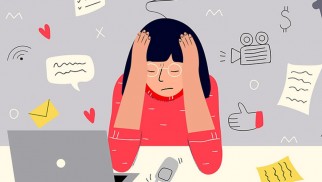
🔥 Most people know ADHD as a problem of focus, restlessness and acting without thinking. Far fewer know that many children and adults with ADHD struggle just as much with emotions that flare too fast, too hard and for too long. A small comment at work turns into a wave of shame, a delay in traffic turns into shouting, a friend who does not answer a message feels like a rejection that ruins the evening. 🔍 Doctors call this emotional dysregulation. It is not an official ADHD symptom in the diagnostic manuals, yet it is one of the main reasons people with ADHD lose jobs, friends and partners. This guide explains why it happens, how to tell it apart from bipolar disorder, borderline personality disorder and depression, what rejection sensitivity really is, what ADHD medicines can and cannot do for emotions, and where the non-stimulant atomoxetine fits.
🌪️ What emotional dysregulation in ADHD looks like
🧠 Emotional dysregulation means that feelings rise quickly, reach a higher peak than the situation calls for and take a long time to settle. The emotion itself is usually understandable; it is the size and speed of the reaction that cause trouble. A person with ADHD may feel irritation, disappointment or excitement exactly as anyone else would, but without the internal brake that normally slows the reaction down, the feeling reaches words and actions before reflection has a chance to step in. Afterwards they often feel embarrassed, guilty and confused about why they reacted that way.
📖 The core ADHD symptoms of inattention, hyperactivity and impulsivity are covered in ADHD impulsivity and the combined type. This article focuses on the emotional side, which many people only discover years after their diagnosis, or which makes them seek help in the first place.
- 📌 Quick temper over small frustrations, often followed by regret
- 📌 Mood that changes several times a day in response to events
- 📌 Intense, painful reactions to criticism, teasing or perceived rejection
- 📌 Difficulty calming down once upset, even when the problem is solved
- 📌 Excitement and enthusiasm that are just as intense as the negative feelings
🧬 Why it belongs to ADHD, not to character
🔬 The same brain networks that help us hold attention and stop an impulse also help us manage feelings. Regions at the front of the brain normally put a short pause between an emotional signal from deeper areas and the reaction that follows. In ADHD this braking system works less reliably, so the emotional signal travels faster and with less filtering. Dopamine and noradrenaline, the two chemical messengers that ADHD medicines target, are involved in both attention and emotional control. This is why emotional problems so often improve, at least partly, when the core ADHD is treated.
💡 Understanding this chain does not excuse hurtful behaviour, but it changes the conversation. Instead of “why can you not control yourself”, the useful question becomes “which part of the chain can we strengthen”: fewer triggers, a longer pause, or a faster recovery afterwards.
🎭 The four common faces of the problem
🔎 Most people recognise themselves in one or two of these rather than all four. The pattern that dominates often guides the treatment choice: anger that peaks in the late afternoon points to medicine timing, rejection pain points to therapy and sometimes to an alpha-2 medicine, and swings lasting days point to a check for a separate mood disorder.
💔 Rejection sensitivity: what it is and what it is not
🧭 Many people with ADHD describe a sudden, overwhelming emotional pain when they feel criticised, left out or judged as a failure. The popular name for this is rejection sensitive dysphoria. It is not a formal diagnosis and there is no test for it, but the experience is common and real, and it often drives people-pleasing, perfectionism, avoiding new challenges or sudden anger at the person who seemed to reject them.
📖 Constant fear of being judged before and during social events is more typical of social anxiety; see social anxiety disorder: what treatment actually changes.
💥 Anatomy of an outburst
⏱️ Anger in ADHD tends to follow a recognisable time course. Knowing the stages helps families and partners act at the right moment, because reasoning that works in stage one is useless at the peak.
🎢 ADHD mood swings or bipolar disorder?
⚖️ This is the most important distinction to make, because the treatment is different and some ADHD medicines can destabilise untreated bipolar disorder. The key difference is time: ADHD moods change in minutes or hours in reaction to events, while bipolar episodes last days to weeks and often come without a clear trigger. The two conditions can also exist together, which is why a careful history matters. 📖 How doctors separate bipolar 2 from ordinary depression is covered in bipolar 2 or depression: how to tell.
| 🔎 Feature | 🧠 ADHD emotional swings | 🎢 Bipolar disorder |
|---|---|---|
| How long a mood lasts | Minutes to hours | Days to weeks |
| Trigger | Usually a clear event | Often none, or out of proportion |
| Sleep | Trouble falling asleep, tired next day | Little need for sleep in a high phase, without tiredness |
| Onset | Since childhood, steady pattern | Often late teens or adulthood, in episodes |
| Between moods | ADHD symptoms continue all the time | Clear periods of normal functioning |
| Family history | ADHD in relatives | Bipolar disorder or suicide in relatives |
💡 A doctor who suspects bipolar disorder will usually treat mood stability first, for example with lithium as in Lithobid (Lithium Carbonate), and only then consider ADHD medicine. Lithium is a mood stabiliser that needs regular blood tests; it is not a treatment for ADHD itself.
🪞 ADHD or borderline personality disorder?
🧩 Borderline personality disorder also involves intense emotions, impulsive acts and fear of rejection, and the overlap with ADHD is real. The difference lies in what drives the emotion: in ADHD it is mostly a fast reaction to the moment, while in borderline disorder it centres on fear of abandonment, an unstable sense of self and very turbulent close relationships. Repeated self-harm, chronic feelings of emptiness and suicidal crises point strongly to borderline disorder or another condition that needs specialist care.
Restlessness, distraction and disorganisation even on calm days
Feeling empty, unsure who you are, fear of being left
Self-harm or thoughts of suicide, in either condition
🔍 Other look-alikes to rule out
👩 Women with ADHD are more often diagnosed first with anxiety or depression, and hormonal changes across the cycle can make emotional symptoms stronger. This is covered in ADHD in women: missed symptoms and hormones.
🧒 In children: meltdowns and irritability
🏫 In children, emotional dysregulation shows as meltdowns over homework, tears when a game is lost, aggression towards siblings and battles at bedtime. Many parents find these episodes harder to live with than the attention problems themselves. Children with ADHD often meet criteria for oppositional defiant disorder as well, with frequent arguing and refusal. When a child is irritable and angry almost every day, with severe temper outbursts several times a week for a year or more, doctors also consider disruptive mood dysregulation disorder, a separate diagnosis that is treated differently.
- 📌 Parent training programmes are the first step for younger children and often reduce outbursts noticeably
- 📌 Treating the ADHD itself often reduces irritability in school-age children
- 📌 Antipsychotics such as aripiprazole are reserved for severe aggression, usually in autism or when other measures fail, because of weight gain and metabolic effects
- 📌 Any talk of wanting to die, at any age, needs prompt professional assessment
💼 In adults: work, relationships and the road
🏢 In adults the same pattern moves to the office, the home and the car. A heated email sent in seconds, a sharp reply to a manager or a road-rage moment can have consequences that last for years. Partners often describe living with unpredictable moods, while the person with ADHD feels constantly misunderstood and criticised. Over time, many adults build a layer of anxiety and low self-esteem on top of the ADHD, which feeds further emotional reactions.
📝 A quick self-check
🩺 How the assessment usually works
📋 There is no blood test or scan for emotional dysregulation. The diagnosis comes from a careful history, rating scales and, ideally, the view of someone who knows you well. The aim is to confirm ADHD, measure how much emotions are affected and find any condition that needs its own treatment.
💊 What ADHD medicine can and cannot do for emotions
⚖️ Both stimulants and non-stimulants treat the core ADHD symptoms, and trials and clinical experience show that emotional control often improves along with attention, though usually less than focus does. Medicine lengthens the pause between feeling and acting and makes it easier to use the skills learned in therapy. It does not erase old habits, repair damaged relationships or remove the low self-esteem built up over years. Most people need medicine and skills together.
📉 Stimulant rebound: why the evening goes wrong
🕰️ Stimulant medicines work for a set number of hours each day. As the dose wears off in the late afternoon or evening, some people feel a rebound of irritability, tearfulness or anger, often just when they arrive home to family. Doctors adjust the timing, switch to a longer-acting form, add a small afternoon dose or choose a medicine with smoother all-day action. Rebound is one of the common reasons people with strong emotional symptoms are offered a non-stimulant.
Dose takes effect, calmer and focused
Peak effect, appetite low
Wearing off, tired and edgy
Rebound irritability at home
🌿 Where atomoxetine fits
💊 Atomoxetine is a non-stimulant ADHD medicine that blocks the reuptake of noradrenaline, raising its level in the front of the brain. Taken once or twice daily, it gives steady cover across the whole day, including evenings and early mornings, with no wear-off crash. It is approved for ADHD in children from 6 years, teenagers and adults. It is not a controlled substance and has no known misuse potential, which matters for people with a history of substance problems. 📖 Its role alongside anxiety is described in ADHD and anxiety together.
🛒 Atomoxetine is available as the original Strattera (Atomoxetine) and as the generic Atomoxet (Generic Atomoxetine), which contain the same active ingredient.
📈 Atomoxetine doses and how fast it works
⏳ Atomoxetine works on a slower clock than stimulants. Some improvement can appear in the first one to four weeks, but the full effect usually takes 6 to 12 weeks, and emotional benefits often come later than the first gains in focus. Many people stop too early because nothing dramatic happens in the first fortnight.
| 👤 Group | 💊 Usual start | 🎯 Usual target | ⛔ Usual maximum |
|---|---|---|---|
| Adults and teens over 70 kg | 40 mg a day | 80 mg a day after at least 3 days | 100 mg a day |
| Children and teens up to 70 kg | 0.5 mg per kg a day | 1.2 mg per kg a day | 1.4 mg per kg or 100 mg, whichever is less |
| Moderate liver problems | Dose usually cut to half | ||
| Severe liver problems | Dose usually cut to a quarter | ||
🍽️ Capsules are swallowed whole, with or without food; taking them with a meal or splitting the dose into morning and late afternoon often reduces nausea and stomach upset. The capsules should not be opened, because the powder irritates the eyes. A missed dose can be taken the same day, but the total daily amount should not be exceeded.
⚠️ Side effects and warnings
📋 Most side effects appear in the first weeks and ease with time or a slower dose increase. The most common are nausea, reduced appetite, tummy pain, dry mouth, tiredness or trouble sleeping, and dizziness. In men, difficulty urinating and erection or ejaculation problems can occur. Heart rate and blood pressure rise slightly on average, so they are checked before starting and during treatment.
| 🚫 Situation | 📝 Why it matters |
|---|---|
| MAO inhibitor in the last 14 days | Dangerous interaction; must not be combined |
| Narrow-angle glaucoma | Can raise eye pressure and widen the pupils |
| Pheochromocytoma | Risk of severe blood pressure spikes |
| Serious heart or blood vessel disease | Raised pulse and blood pressure may be harmful |
| Untreated bipolar disorder | Can trigger a high or mixed episode; screen first |
| Jaundice, dark urine, itching | Rare liver injury; stop and test liver function |
🧭 Mood changes on atomoxetine:
🔹 Children and teenagers have a boxed warning for suicidal thinking, so families watch closely in the first months and after dose changes.
🔹 New agitation, aggression or unusual irritability after starting should be reported to the prescriber, since the medicine meant to calm emotions can occasionally do the opposite.
🔹 More detail is in Strattera and suicidal thoughts.
🔗 Interactions that change the dose
🧪 Atomoxetine is broken down in the liver mainly by an enzyme called CYP2D6. Medicines that strongly block this enzyme, such as fluoxetine, paroxetine and bupropion, can raise atomoxetine levels several times over, so the dose is increased more slowly and often kept lower. About 7 in 100 people of European background are naturally poor CYP2D6 metabolisers and need the same caution. Salbutamol and similar asthma relievers taken by mouth or in high doses can add to the rise in pulse.
| 💊 Combined with | 📊 Effect on atomoxetine | 📝 Usual approach |
|---|---|---|
| Fluoxetine, paroxetine | Levels rise strongly | Slow increase, lower target |
| Bupropion | Levels rise strongly | Slow increase, check blood pressure |
| Sertraline | Small to moderate rise | Watch for side effects |
| Escitalopram, citalopram | Little change | Usually straightforward |
| Clonidine | No level change | Watch pulse and blood pressure |
🌙 Clonidine and bupropion: other options for emotions
💤 Alpha-2 medicines such as clonidine and guanfacine act on the same noradrenaline system from a different angle. They are used for ADHD in children, and some doctors use them for evening anger, sleep problems and rejection sensitivity, although the evidence for rejection sensitivity is mainly clinical experience. Bupropion is an antidepressant sometimes used off-label for adult ADHD, especially when depression is also present.
⚠️ Clonidine sold as an immediate-release tablet is mainly a blood pressure medicine; its use for ADHD symptoms is off-label and should be guided by a doctor who checks pulse and blood pressure. Stopping it abruptly can cause a dangerous rebound rise in blood pressure, so it is always reduced gradually.
🧩 When depression, anxiety or bipolar disorder is also present
📋 Emotional symptoms are often a mix of ADHD and a second condition. When a separate depression or anxiety disorder is present, it usually needs its own treatment, because ADHD medicine alone will not lift a true depression or quiet a generalised anxiety. The prescriber then picks combinations that work well together and avoids those that clash.
📖 The worry loop of generalised anxiety, and how it differs from ADHD restlessness, is explained in generalized anxiety disorder: inside the worry loop.
🧘 Skills that shorten the storm
🧠 Cognitive behavioural therapy adapted for adult ADHD and skills taken from dialectical behaviour therapy are the best-studied psychological tools for emotional control. They teach people to spot the early warning signs, create a pause and choose a response instead of reacting automatically. Practice matters more than insight: the skill has to be rehearsed on small frustrations before it works under real pressure.
- 📌 Name it to tame it: saying “I am frustrated” out loud lowers the intensity
- 📌 A 24-hour rule for angry emails and messages
- 📌 An agreed time-out word with your partner, used without blame
- 📌 Checking the facts: “Did they reject me, or did they just not answer yet?”
- 📌 Planned repair after an outburst: apology, explanation, one concrete change
🌙 Daily basics that lower the baseline
✅ Small habits with a real effect on mood stability:
🔹 Sleep: a fixed wake time and 7 to 9 hours; one short night makes everyone more reactive, and people with ADHD even more so.
🔹 Food: regular meals; hunger in the late afternoon is a classic trigger, especially when appetite was low during the day.
🔹 Exercise: brisk activity most days lowers tension and improves attention for hours afterwards.
🔹 Alcohol and cannabis: both lower the brake further and worsen mood the next day.
🔹 Planning: fewer last-minute rushes means fewer frustration spikes.
📖 A broader look at focus, energy and the everyday side of adult ADHD is in ADHD without the noise: focus, energy and what helps.
🌳 Which route fits you?
🗿 Myths about ADHD and emotions
🚨 When to see a doctor
⛔ Get medical help soon if:
🔹 Outbursts include hitting, throwing objects, or frightening a partner or children.
🔹 Moods last several days at a time, or you have periods of very high energy with little sleep.
🔹 You use alcohol, cannabis or sedatives to calm your emotions.
🔹 Irritability, agitation or dark thoughts start or worsen after beginning or changing an ADHD medicine.
🔹 You have thoughts of harming yourself or ending your life. In that case, contact emergency services or a crisis line now.
❓ Frequently asked questions
Is emotional dysregulation part of ADHD?
It is not an official symptom in the diagnostic criteria, but it is very common in ADHD and many experts consider it a core feature of the condition.
What is rejection sensitive dysphoria?
It is a popular name for sudden, intense emotional pain after criticism or perceived rejection. It is not a formal diagnosis, but the experience is common in ADHD.
How can I tell ADHD mood swings from bipolar disorder?
ADHD mood changes last minutes to hours and follow events. Bipolar episodes last days to weeks, often with reduced need for sleep in high phases.
Does atomoxetine help with anger and irritability?
It often helps as part of treating ADHD overall, and gives steady cover into the evening. A small number of people feel more irritable on it and should tell their doctor.
How long does atomoxetine take to work?
Some improvement can appear in one to four weeks, but the full effect usually takes 6 to 12 weeks on a target dose.
Why am I more irritable in the evening on my ADHD medicine?
This is often stimulant rebound as the dose wears off. Changing the timing, using a longer-acting form or switching to a non-stimulant can help.
Can atomoxetine be taken with an antidepressant?
Often yes, under medical supervision. Fluoxetine, paroxetine and bupropion raise atomoxetine levels, so the dose is adjusted; escitalopram has little effect on it.
Is clonidine used for rejection sensitivity?
Some doctors use alpha-2 medicines such as clonidine or guanfacine for it, based mainly on clinical experience. Clonidine must never be stopped suddenly.
Can therapy help ADHD emotional problems without medicine?
Yes, CBT for adult ADHD and DBT skills can help on their own, though many people find they work best when the ADHD is also treated with medicine.
Do adults grow out of ADHD emotional dysregulation?
Not usually. Hyperactivity often fades with age, but emotional reactivity frequently continues into adulthood and benefits from treatment.
📑 Sources and editorial
- 📘 Clinical guidelines on the diagnosis and management of ADHD in children and adults
- 🧠 Reviews of emotional dysregulation in ADHD and its brain basis
- 💊 Prescribing information for atomoxetine, including dosing, warnings and CYP2D6 interactions
- 🔬 Adult atomoxetine trials with secondary analyses of emotional control
- 🎢 Guidance on separating ADHD from bipolar disorder and borderline personality disorder
- 🧘 Trials of CBT adapted for adult ADHD and of DBT-based skills training
- 📖 Related reading: ADHD impulsivity and combined type, ADHD in women, ADHD and anxiety together, bipolar 2 or depression
- 🛒 Related products: Strattera (Atomoxetine), Atomoxet (Generic Atomoxetine), Catapres (Clonidine), Wellbutrin (Bupropion), Lexapro (Escitalopram), Buspar (Buspirone)
- 🩺 RXshop Editorial Team — reviewed by Thomas Walsh, MD — Psychiatrist
Medical Disclaimer: The information in this article is for educational and informational purposes only and is not a substitute for professional medical advice, diagnosis, or treatment. Always seek guidance from a qualified healthcare provider with any questions you may have regarding a medical condition, and before starting, stopping or changing any medication.