Strattera and Alcohol: Why Doctors Advise Against the Combination

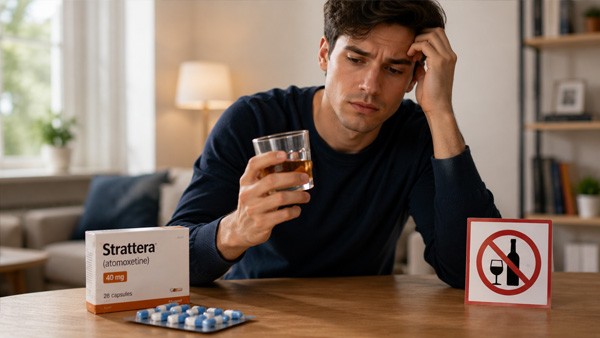
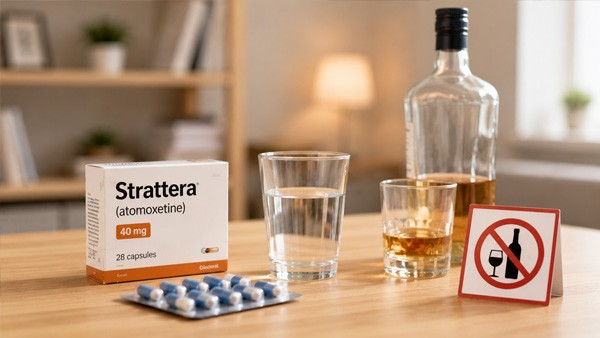
Mixing Strattera (atomoxetine) and alcohol isn't absolutely prohibited but carries real risks across multiple dimensions — liver stress, mood worsening, ADHD symptom rebound, cardiovascular effects, and impaired judgment — that warrant patient awareness and physician guidance. Most prescribers advise patients to either avoid alcohol entirely or limit consumption substantially during Strattera treatment, with stricter limits for patients with risk factors. The interaction isn't a single dramatic effect like alcohol-disulfiram combination but rather multiple smaller effects that combine: Strattera's hepatotoxicity risk compounds with alcohol's liver impact; alcohol's depressant effects may worsen Strattera-related mood issues; alcohol disrupts ADHD symptom control that Strattera was providing; combined cardiovascular effects produce more BP/HR changes than either alone. The honest framing isn't "never drink on Strattera" but "drink less, drink mindfully, and watch for warning signs."
This guide covers the Strattera-alcohol interaction comprehensively with practical patient guidance. We address the interaction mechanisms across multiple domains, the liver stress concern that combines Strattera's hepatotoxicity risk with alcohol's liver impact, mood effects where alcohol's depressant action may worsen Strattera-related mood concerns, ADHD symptom rebound after drinking that compromises medication effectiveness, the safe limits question with honest discussion of what's reasonable, warning signs after drinking that warrant medical attention, long-term risks of chronic combination, four drinker profile classifications matching risk levels to different patterns of alcohol use, the drink-equivalency guide that ensures patients understand what counts as one drink, the pre-drink preparation protocol for harm reduction when alcohol consumption is planned, and the bottom-line framework for Strattera and alcohol decisions. Most patients can drink occasionally with Strattera; the key is informed decisions about quantity, frequency, and circumstances.
| Interaction domain | Risk level | Mechanism |
|---|---|---|
| Liver stress | Moderate | Compounded hepatotoxic load |
| Mood effects | Moderate | Alcohol's depressant effect amplifies |
| ADHD symptom control | Moderate | Alcohol disrupts cognitive function Strattera improves |
| Cardiovascular | Mild-moderate | Additive HR/BP effects |
| Sleep disturbance | Mild-moderate | Both disrupt sleep architecture |
| Suicidal ideation (pediatric) | High | Alcohol amplifies SI risk; pediatric especially |
| Impaired judgment | Moderate | Alcohol impairs judgment that Strattera was supporting |
| Direct pharmacologic interaction | Mild | No major drug-drug interaction at receptor level |
| Anxiety/agitation | Moderate | Both can worsen anxiety; alcohol withdrawal-rebound |
| Cognitive function (acute) | High | Alcohol acute impairment dominates |
| Treatment adherence | Moderate | Heavy drinking pattern reduces medication adherence |
| Long-term liver damage | High | Cumulative hepatic injury from combination |
The map frames the interaction: not a single dramatic effect but multiple smaller effects across multiple domains. The cumulative risk is meaningful even if no single effect is severe in isolation. Patient awareness of these domains supports informed decisions about alcohol consumption during Strattera treatment.
🍶 How Strattera Interacts with Alcohol
The interaction mechanisms across multiple domains:
- No major direct drug-drug interaction. Strattera doesn't have specific pharmacological interaction with alcohol the way disulfiram does, for example. The interaction is indirect through multiple mechanisms.
- Liver metabolism overlap. Both Strattera and alcohol are metabolized by liver. Combined load increases hepatic stress.
- Norepinephrine system interaction. Strattera modulates NE; alcohol disrupts multiple neurotransmitter systems. Combined effects on alertness, anxiety, mood.
- Cognitive function opposition. Strattera improves attention/executive function; alcohol acutely impairs these. Net effect during drinking is reduced ADHD control.
- Cardiovascular additive effects. Strattera mildly elevates HR/BP; alcohol can also elevate BP (especially with heavy use). Combined effect larger than either alone.
- Sleep disruption combined. Strattera may affect sleep; alcohol disrupts sleep architecture. Combined effect on sleep quality.
- Mood effects combined. Alcohol is depressant; can amplify any Strattera-related mood concerns including suicidal ideation in pediatric patients.
- Judgment and decision-making. Alcohol impairs judgment that medication treatment was supporting.
Key concepts:
- Cumulative risk model: Multiple small effects add up rather than single dramatic interaction.
- Dose-dependent: Risks increase substantially with higher alcohol consumption.
- Pattern-dependent: Occasional moderate drinking less concerning than heavy regular drinking.
- Patient-specific: Risk factors (pre-existing liver disease, pregnancy, depression, etc.) increase individual risk.
- Time-dependent: Acute combined exposure differs from chronic combined use.
🫀 Liver Stress: Doubling the Hit
The hepatic compounding concern:
- Strattera hepatotoxicity risk: FDA boxed warning for rare but potentially serious liver injury. See Strattera and Liver Health for comprehensive coverage.
- Alcohol liver effects: Hepatic injury from acute heavy intoxication; chronic damage from regular heavy use; fatty liver, alcoholic hepatitis, cirrhosis.
- Combined hepatic load: Liver processes both atomoxetine and ethanol; combined metabolic demand stresses hepatic function.
- Compounded risk: Patients with alcohol-related liver changes more vulnerable to Strattera hepatotoxicity; patients with Strattera-induced enzyme elevations may worsen with alcohol.
- Drug-induced liver injury (DILI): Alcohol use is recognized risk factor for DILI from various medications including Strattera.
Risk levels by drinking pattern:
- Light drinking (1-3 drinks/week): Modest additional liver risk; generally tolerable for patients without hepatic risk factors.
- Moderate drinking (4-7 drinks/week): More significant additional liver risk; warrants monitoring.
- Heavy drinking (8+ drinks/week or 4+ drinks in single occasion): Substantial elevated liver risk; should be avoided during Strattera treatment.
- Binge drinking: Acute liver stress; may trigger hepatotoxicity in susceptible patients.
- Chronic heavy use: Likely contraindication to Strattera; alternative ADHD medication preferred.
Monitoring approach for patients drinking on Strattera:
- Baseline liver function tests before starting Strattera and at intervals.
- Annual LFTs for occasional moderate drinkers on long-term Strattera.
- More frequent LFTs for heavier drinkers — every 3-6 months.
- Symptom-triggered evaluation for any concerning hepatic symptoms.
- Honest disclosure to prescriber about alcohol use level.
😔 Mood Effects: Why Alcohol Hits Harder
Alcohol-mood interaction with Strattera:
- Alcohol is depressant. CNS depressant effects on mood, judgment, motor function.
- Acute mood elevation, then crash. Initial euphoric phase followed by mood drop as alcohol metabolizes.
- Alcohol withdrawal symptoms. Even mild withdrawal between drinking sessions can produce mood changes.
- Strattera black box warning context: Pediatric SI black box warning — alcohol amplifies SI risk in vulnerable patients.
- Depression risk: Alcohol increases depression risk; combined with Strattera mood concerns produces compound effect.
- Suicidal ideation amplification: Particularly concerning in adolescent patients on Strattera with black box warning.
Higher-risk patients:
- Pediatric and adolescent patients — black box warning context plus alcohol amplification.
- Patients with depression history — alcohol can worsen.
- Patients with anxiety disorders — alcohol can produce paradoxical worsening.
- Patients with prior suicide attempts or SI history.
- Patients with substance abuse history — compounding concerns.
- Patients on additional psychiatric medications — multiple interactions.
📉 ADHD Symptom Rebound After Drinking
The cognitive impairment concern:
- Alcohol acutely impairs attention, concentration, executive function — exactly the areas Strattera was treating.
- Net effect during drinking: ADHD symptoms worse than off medication entirely.
- Hangover cognitive effects: Continue impairing function next day.
- Sleep disruption from alcohol: Compounds with ADHD-related sleep issues; affects next-day function.
- Pattern with regular drinking: Chronic alcohol use may produce sustained cognitive impairment beyond acute effects.
- Treatment compromise: Heavy regular drinking pattern reduces Strattera's effectiveness for ADHD overall.
Practical implications:
- Don't drink before activities requiring focus. Driving, work demands, important tasks affected.
- Drink and next-day function. Plan less demanding tasks for day after drinking.
- Heavy drinking weekends may produce weekend-Monday function decline.
- Chronic drinking pattern may produce sustained ADHD symptom worsening.
- Treatment goals matter: If maximum ADHD control is priority, minimize alcohol consumption.
🎯 Safe Limits (If Any)
The honest answer about safe limits:
Conservative position (some prescribers):
- Complete alcohol avoidance during Strattera treatment.
- Rationale: liver risk, mood risk, cumulative interaction concerns.
- Appropriate for: high-risk patients, pediatric patients, history of liver disease, history of substance abuse.
Moderate position (most prescribers):
- Occasional moderate drinking acceptable for adult patients without specific risk factors.
- Limit: 1-2 standard drinks at any single occasion; not more than 3-4 drinking occasions per month.
- Avoid binge drinking (4+ drinks for women, 5+ for men in single occasion).
- Don't drink daily on Strattera.
- Monitor for warning signs.
For specific patient groups:
- Pediatric patients: NO alcohol regardless of any other consideration.
- Patients with liver disease: Avoid alcohol entirely.
- Patients with mood disorder history: Avoid or strictly limit (1 drink occasionally).
- Patients with substance abuse history: Avoid entirely.
- Patients on additional medications: Discuss with prescriber.
- Pregnant patients: Avoid alcohol entirely.
- Patients with cardiovascular disease: Limit substantially.
What "one drink" actually means:
- Beer: 12 oz of 5% ABV.
- Wine: 5 oz of 12% ABV.
- Liquor: 1.5 oz of 40% ABV (one shot).
- Mixed drinks: Often contain 2-3 standard drinks depending on recipe.
- Craft beers/wines: Often higher ABV than standard; one bottle may equal 1.5-2 drinks.
⚠️ Warning Signs After Drinking
Symptoms warranting medical attention after drinking on Strattera:
Immediate concerns (same-day/next-day):
- Severe nausea or vomiting persistent beyond typical hangover.
- Right upper abdominal pain — possible liver involvement.
- Jaundice (yellowing of skin/eyes) — possible hepatotoxicity.
- Dark urine — possible liver issue.
- Severe headache beyond typical hangover.
- Chest pain or palpitations — cardiovascular concern.
- Severe mood drop, depression, suicidal thoughts.
- Severe sleep disturbance persistent.
- Cognitive impairment persistent beyond hangover period.
Patterns warranting evaluation:
- Worsening ADHD symptom control with continued drinking pattern.
- Mood instability related to drinking sessions.
- Sleep architecture disruption ongoing.
- Liver function test abnormalities if monitored.
- Cardiovascular changes in BP or HR.
Emergency situations:
- Active suicidal thoughts or plans — emergency department or 988 crisis line.
- Severe alcohol intoxication symptoms with persistent effects.
- Chest pain with shortness of breath.
- Loss of consciousness.
- Severe abdominal pain.
- Severe jaundice or dramatic urine color changes.
📅 Long-Term Risks
Long-term risks of chronic alcohol use with Strattera:
- Cumulative liver damage: Chronic combined exposure increases hepatic injury risk.
- Mood disorder development: Alcohol use disorder elevates depression and anxiety risk; combined with Strattera concerns produces compound risk.
- Cognitive function decline: Chronic heavy drinking causes cognitive impairment beyond what Strattera could address.
- Treatment failure: Heavy regular drinking compromises ADHD treatment effectiveness; may lead to treatment failure.
- Cardiovascular disease: Combined cardiovascular effects over years.
- Sleep architecture damage: Chronic sleep disruption from combined effects.
- Adherence problems: Heavy drinking pattern affects medication adherence.
- Alcohol use disorder development: Some patients develop AUD; ADHD itself elevates AUD risk.
Patient outcomes considerations:
- Light social drinkers: Minimal long-term risk if patterns maintained.
- Moderate regular drinkers: Some cumulative risk; warrants monitoring.
- Heavy drinkers: Substantial long-term risk; likely warrants Strattera alternative or alcohol reduction.
- Patients with alcohol use disorder: Strattera generally not appropriate; alternative medication and AUD treatment needed.
🍻 Drinker Profile Classification
Four drinker profiles guide approach:
Profile 1 — "Non-drinker." Patient who doesn't drink alcohol. Approach: no specific guidance needed; continue alcohol abstinence. Strattera treatment unaffected by alcohol considerations.
Profile 2 — "Light social drinker." Patient with 1-3 drinks per week, primarily in social situations, no problematic patterns. Approach: continued moderate consumption generally acceptable; awareness of liver and mood effects; honest disclosure to prescriber; periodic monitoring.
Profile 3 — "Moderate regular drinker." Patient with 4-7 drinks per week, regular drinking pattern. Approach: stricter limits recommended; consider reducing consumption; enhanced monitoring (LFTs); discuss with prescriber about appropriateness of continued Strattera.
Profile 4 — "Heavy drinker." Patient with 8+ drinks per week or binge drinking patterns. Approach: significant alcohol reduction recommended; possible Strattera alternative consideration; substance use evaluation; mental health support if needed; possibly contraindicated.
| Profile | Drinking pattern | Approach |
|---|---|---|
| Profile 1 (Non-drinker) | No alcohol | No specific guidance needed |
| Profile 2 (Light social) | 1-3 drinks/week | Continued moderation; periodic monitoring |
| Profile 3 (Moderate) | 4-7 drinks/week | Stricter limits; enhanced monitoring |
| Profile 4 (Heavy) | 8+ drinks/week or bingeing | Significant reduction or medication alternative |
📏 Drink-Equivalency Guide
Practical guide to what counts as one drink:
| Beverage type | Standard size | Equivalent drinks |
|---|---|---|
| Regular beer (5% ABV) | 12 oz | 1 drink |
| Craft beer (7-9% ABV) | 12 oz | 1.5-1.8 drinks |
| Strong craft beer (10%+ ABV) | 12 oz | 2+ drinks |
| Light beer (4% ABV) | 12 oz | 0.8 drinks |
| Wine (12% ABV) | 5 oz | 1 drink |
| Wine larger pour | 8 oz | 1.6 drinks |
| Wine (14-15% ABV) | 5 oz | 1.2 drinks |
| Champagne (12% ABV) | 4 oz flute | 0.8 drink |
| Liquor shot (40% ABV) | 1.5 oz | 1 drink |
| Mixed drink (1 shot) | Varies | 1 drink |
| Mixed drink (2 shots) | Varies | 2 drinks |
| Margarita (typical) | Varies | 2-3 drinks |
| Long Island Iced Tea | Typical | 3-4 drinks |
| Beer bomb (with shot dropped) | Combined | 2 drinks |
| Wine cooler (5% ABV) | 12 oz | 1 drink |
Why drink equivalency matters:
- Misperception of alcohol amount common — patients often consume more than they realize.
- Craft beverages often higher ABV than standard counterparts.
- Mixed drinks vary widely in alcohol content.
- Glass sizes vary — larger pours mean more alcohol.
- Accurate tracking requires understanding what one drink actually is.
🛡️ Pre-Drink Preparation Protocol
Harm reduction protocol for planned alcohol consumption on Strattera:
Day before:
- Take Strattera as scheduled.
- Stay hydrated.
- Eat well; don't skip meals.
- Adequate sleep.
Day of drinking event:
- Take Strattera as usual. Don't skip dose because of planned drinking.
- Substantial meal before drinking. Food slows alcohol absorption.
- Hydrate well throughout day before drinking starts.
- Avoid other hepatotoxic substances (avoid acetaminophen specifically).
- Plan alcohol consumption limit in advance.
During drinking:
- Eat substantial food while drinking — slows absorption, reduces peak BAC.
- Hydrate between alcoholic drinks (water, sparkling water).
- Pace drinks slowly — no more than 1 drink per hour.
- Stick to your limit set in advance.
- Avoid mixing alcohols.
- Don't drive — even small amounts impair driving with Strattera.
After drinking:
- Hydrate before sleep.
- Allow recovery time.
- Take next morning's Strattera as usual unless severely ill.
- Monitor for warning signs over next 24-48 hours.
- Don't drink again for several days minimum.
- Eat well, hydrate well during recovery.
Avoid these combinations:
- Alcohol + acetaminophen (compounded liver risk).
- Alcohol + other depressants (benzodiazepines, opioids).
- Alcohol + recreational drugs.
- Heavy drinking + next-day Strattera dose immediately.
- Drinking + driving regardless of amount.
✨ Bottom Line
Strattera and alcohol interact across multiple domains (liver stress, mood, ADHD symptom control, cardiovascular, sleep, pediatric SI risk, judgment) but without a single dramatic interaction effect. The cumulative risk is real but manageable for most adult patients with appropriate moderation. The honest position isn't "never drink" but rather "drink less, drink mindfully, and watch for warning signs."
The interaction domain map shows 12 different areas where the two interact. Liver stress, mood effects, ADHD symptom control, and pediatric SI amplification are highest concern. Direct pharmacological interaction at receptor level is minimal — risks come from combined effects across multiple systems.
Safe limits exist but depend on patient profile. Conservative position: complete avoidance (appropriate for high-risk patients, pediatric, liver disease, mood disorder history, substance abuse history, pregnancy). Moderate position (most prescribers): occasional 1-2 drinks per occasion, not more than 3-4 drinking occasions per month, no daily drinking, no binge drinking.
The four drinker profile classifications (Non-drinker / Light social / Moderate regular / Heavy) match approach to drinking pattern. Heavy drinkers may not be appropriate Strattera candidates; alternative ADHD medication or alcohol reduction needed.
The drink-equivalency guide addresses common patient misperception about alcohol amount. Craft beverages and mixed drinks often contain more alcohol than patients realize. Standard drink: 12 oz beer (5% ABV), 5 oz wine (12% ABV), 1.5 oz spirits (40% ABV).
The pre-drink preparation protocol provides harm reduction framework: substantial meal before/during drinking, hydration, pacing, planned limit, avoiding hepatotoxic substances. Day-after monitoring for warning signs.
Warning signs warranting medical attention include severe nausea/vomiting, RUQ pain, jaundice, dark urine, severe headache, chest pain, mood deterioration, suicidal thoughts, cognitive impairment beyond hangover. Emergency situations include active SI, severe intoxication symptoms, chest pain with dyspnea, loss of consciousness, severe abdominal pain.
Long-term risks of chronic combination include cumulative liver damage, mood disorder development, cognitive decline, treatment failure, cardiovascular disease, sleep architecture damage, adherence problems, alcohol use disorder development. Light social drinkers face minimal cumulative risk; heavy drinkers face substantial risk.
Pediatric patients should not drink alcohol regardless of Strattera status — alcohol amplifies SI risk that black box warning specifically identifies, plus other risks. Adolescent patients on Strattera face both medication-related and developmental concerns about alcohol use.
Honest disclosure to prescriber about alcohol use is essential. Many patients underestimate or hide alcohol consumption from healthcare providers; this prevents personalized guidance. The conversation supports informed treatment decisions.
For broader Strattera safety and management context, see Strattera Long-Term Side Effects, Strattera and Liver Health (particularly relevant for alcohol interaction), Strattera Suicidal Ideation Black Box, Strattera Cardiovascular Effects, Strattera Withdrawal, Strattera Weight Loss, Strattera Sexual Side Effects, and Strattera Sleep Effects.
For Strattera comparison cluster: vs Adderall, vs Vyvanse, vs Concerta, vs Ritalin, vs Modafinil, vs Wellbutrin, vs Intuniv, vs Qelbree.
For modafinil as off-label alternative with different alcohol interaction profile, Modalert 200 mg from Sun Pharma provides Schedule IV option.
❓ Frequently Asked Questions
Can I drink alcohol on Strattera?
Discuss with prescriber — most allow occasional moderate drinking for adult patients without specific risk factors. Conservative position is complete avoidance; moderate position permits 1-2 drinks per occasion, not more than 3-4 drinking occasions per month, no daily drinking. Pediatric patients should not drink. Patients with liver disease, mood disorder history, substance abuse history, or pregnancy should avoid alcohol entirely on Strattera.
How much alcohol is safe with Strattera?
Conservative interpretation: 1-2 standard drinks at any single occasion; not more than 3-4 drinking occasions per month; avoid binge drinking (4+ drinks for women, 5+ for men). One standard drink = 12 oz beer (5% ABV), 5 oz wine (12% ABV), or 1.5 oz spirits (40% ABV). Craft beverages and mixed drinks often contain more alcohol than standard equivalent. No daily drinking on Strattera.
Will alcohol make my ADHD worse on Strattera?
Yes, during and immediately after drinking. Alcohol acutely impairs attention, concentration, and executive function — exactly the areas Strattera was treating. Net effect during drinking is ADHD symptoms worse than off medication entirely. Hangover cognitive effects continue impairing function next day. Chronic regular drinking may produce sustained ADHD symptom worsening beyond acute effects.
Does alcohol affect my liver more on Strattera?
Yes, combined liver stress is real concern. Strattera carries FDA boxed warning for rare hepatotoxicity. Alcohol independently causes liver injury at higher doses. Combined effects increase liver injury risk beyond either alone. Patients with liver disease, regular drinkers, binge drinkers, and patients on additional hepatotoxic medications face elevated risk. Monitor liver enzymes if regular drinker on Strattera.
Can I have one drink at a social event on Strattera?
Generally yes for adult patients without risk factors. One drink at occasional social event is within moderate-drinking guidelines for most patients. Eat substantial food, hydrate, pace slowly, plan limit in advance. Avoid driving even after one drink. Monitor for any concerning symptoms. Discuss your specific situation with prescriber for personalized guidance.
What if I'm a regular drinker and need ADHD treatment?
Discuss honestly with prescriber. Heavy regular drinking is likely contraindication to Strattera due to liver risk and treatment compromise. Options: reduce alcohol use to acceptable levels for Strattera; alternative ADHD medication with different alcohol interaction profile; alcohol use disorder treatment if appropriate. Don't hide alcohol use from prescriber — prevents personalized care. Substance use evaluation may be appropriate.
Can my teenager drink on Strattera?
No. Pediatric and adolescent patients should not drink alcohol regardless of Strattera status. Multiple reasons: alcohol amplifies SI risk that Strattera's FDA black box specifically warns about; pediatric liver more vulnerable to combined hepatic load; developmental concerns about adolescent alcohol use; legal issues for underage drinking. Adolescent alcohol use warrants discussion with prescriber and possibly mental health professional regardless of Strattera context.
What should I watch for after drinking on Strattera?
Warning signs: severe nausea/vomiting beyond typical hangover, RUQ pain, jaundice, dark urine, severe headache, chest pain, palpitations, mood drop or suicidal thoughts, cognitive impairment beyond hangover period, severe sleep disturbance. Emergency signs: active SI, severe intoxication with persistent effects, chest pain with shortness of breath, loss of consciousness, severe abdominal pain, severe jaundice. Same-day medical attention for concerning symptoms.
Can I take Strattera the morning after drinking?
Generally yes for occasional moderate drinking. Take Strattera as usual unless severely ill. Hydrate well; eat substantial breakfast. Effect of single drinking occasion typically resolved within 24-48 hours. For heavy drinking or hangover with significant symptoms, discuss with prescriber. Don't skip Strattera doses regularly because of drinking pattern — affects ADHD treatment continuity.
Does Strattera count as a "do not drink" medication?
Conservative position yes (complete avoidance); moderate position no (occasional moderate drinking acceptable for low-risk patients). The Strattera prescribing information includes alcohol-related cautions but doesn't absolutely prohibit alcohol. Most prescribers allow occasional moderate drinking with patient education about risks. Strict avoidance appropriate for high-risk patients. Discuss specific recommendation with your prescriber.
📚 References & Further Reading
- FDA prescribing information for Strattera (atomoxetine) — alcohol-related cautions and liver warnings.
- National Institute on Alcohol Abuse and Alcoholism (NIAAA) — alcohol use guidance.
- American Liver Foundation — alcohol and liver disease.
- SAMHSA — substance use and mental health resources.
- Centers for Disease Control — alcohol and public health.
- American Academy of Pediatrics — adolescent alcohol use guidance.
- American Academy of Sleep Medicine — alcohol and sleep effects.
- WHO — global alcohol consumption guidelines.
- Strattera safety cluster: Long-Term, Liver Health (particularly relevant), FDA Black Box SI, Cardiovascular, Withdrawal, Weight Loss, Sexual Side Effects, Sleep Effects
- Strattera comparison cluster: vs Adderall, vs Vyvanse, vs Concerta, vs Ritalin, vs Modafinil, vs Wellbutrin, vs Intuniv, vs Qelbree
- Modalert 200 mg, Modvigil 200 mg, Waklert 150 mg — primary product pages.
- RXshop Editorial Team — content reviewed by licensed pharmacist; for adult patient education, not a substitute for individual medical consultation.
Medical Disclaimer: The information in this article is for educational and informational purposes only and is not a substitute for professional medical advice, diagnosis, or treatment. Always seek guidance from a qualified healthcare provider with any questions you may have regarding a medical condition, and before starting, stopping or changing any medication.