Modafinil vs Piracetam: A Clear Side-by-Side Comparison

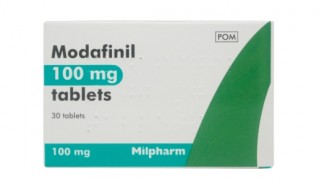
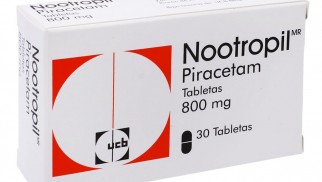
Modafinil and piracetam are routinely grouped together under the catch-all label "nootropics" or "smart drugs" — and that grouping is misleading enough to cause real confusion when patients try to choose between them. The two compounds belong to completely different pharmacological classes, treat different conditions, work through different mechanisms, and produce different subjective experiences. They are not interchangeable; in most cases they are not even alternatives. Picking one over the other is more like picking between an antibiotic and an antihistamine than between two versions of the same drug.
This article walks through what each drug actually is, what it does at the mechanistic level, where each has genuine clinical evidence, the side-by-side comparison across the parameters that actually matter, and the practical question of when one or the other is the right choice. The conclusion is straightforward: Modalert (modafinil 200 mg) from Sun Pharma is the wake-promoting prescription drug for excessive daytime sleepiness; piracetam is a racetam-class compound with much weaker evidence and a narrower clinical footprint. They solve different problems.
🧠 Modafinil: the wake-promoting agent
Modafinil was developed in France in the 1970s and approved by the FDA in 1998 specifically for the treatment of narcolepsy. Subsequent approvals added obstructive sleep apnea (residual EDS) and shift work sleep disorder. The drug works primarily by modulating wake-promoting neurotransmitter systems in the hypothalamus — boosting orexin-mediated wakefulness and modestly elevating dopamine and norepinephrine in select wake-circuits without the broad stimulant action of amphetamines.
The clinical evidence base for modafinil is genuinely substantial. Over 25 years of post-market surveillance across millions of patient-years has produced a well-characterised safety profile. The standard adult dose is 200 mg once daily within 30 minutes of waking, with response rates of 75-85% across the approved indications. Tolerability is good; long-term tolerance is minimal; the drug is Schedule IV in the United States (lowest controlled-substance tier).
What modafinil is NOT: a general cognitive enhancer for healthy adults. The off-label "smart drug" reputation comes from anecdotal student and professional use, and the actual evidence for cognitive enhancement in well-rested healthy adults is modest at best. Modafinil works best where its mechanism actually solves a clinical problem — daytime sleepiness.
🧪 Piracetam: the racetam nootropic
Piracetam was synthesised in Belgium in 1964 and was the original "racetam" — a class of compounds structurally related to GABA but acting through different mechanisms. It is approved in some countries (Russia, parts of the EU) for specific indications including cortical myoclonus, certain dementias, and post-stroke cognitive impairment. It has NEVER received FDA approval for any indication in the United States, and it is not a prescription drug there — it occupies a regulatory grey zone as a research chemical and dietary supplement depending on jurisdiction.
The proposed mechanism involves modulation of AMPA glutamate receptors, modest effects on cholinergic transmission, and improvement of membrane fluidity in neurons. None of these mechanisms is as well-characterised as modafinil's wake-promoting pathway, and the clinical trial evidence for cognitive enhancement in healthy adults is weak — most positive trials enrolled patients with established cognitive impairment from stroke or age-related decline.
The typical dose range is much higher than modafinil — 1,200 to 4,800 mg per day, usually divided into 2-3 doses, often loaded for 1-2 weeks before steady-state effects appear. Onset of subjective effect is gradual rather than acute. Tolerability is reasonable but the evidence base is thin enough that long-term safety in healthy adults has never been established the way modafinil's has.
📊 Direct side-by-side comparison
The table below covers the parameters that actually matter when choosing between the two — class, mechanism, evidence, regulatory status, and practical use. Side-by-side, the differences are sharper than the shared "nootropic" label suggests:
| Parameter | Modafinil (Modalert) | Piracetam |
|---|---|---|
| Drug class | Wake-promoting agent (eugeroic) | Racetam-class nootropic |
| First marketed | 1994 (France); 1998 (US) | 1971 (Belgium) |
| FDA approval status | Approved (narcolepsy 1998, OSA & SWSD 2003) | Not approved for any indication |
| Primary mechanism | Orexin / DAT / histamine modulation in wake circuits | AMPA receptor modulation; membrane fluidity |
| Standard adult dose | 200 mg once daily | 1,200-4,800 mg / day (split 2-3 doses) |
| Onset of subjective effect | 30-60 minutes (acute) | 1-2 weeks (gradual loading) |
| Effect window per dose | 12-15 hours | Steady-state continuous |
| Primary therapeutic effect | Removes pathological daytime sleepiness | Modest cognitive improvement in impaired patients |
| Evidence in healthy adults | Modest cognitive effect | Weak / inconsistent |
| Regulatory status (US) | Schedule IV controlled substance | Unregulated supplement / research chemical |
| Pregnancy compatibility | Avoid; reduces hormonal contraception | Limited data; avoid |
| Long-term safety data | Strong; 25+ years post-market | Limited in healthy adults |
| Available on RXshop | Yes — Modalert 200 mg | No |
🎯 When modafinil is the right tool
Modafinil is the right prescription when the underlying problem is genuine excessive daytime sleepiness — pathological sleep pressure that breaks through into normal waking hours. The clinical situations where modafinil is well-established as first-line therapy include:
- Narcolepsy (Type 1 or Type 2) — FDA-approved primary indication.
- Obstructive sleep apnea with residual EDS after CPAP optimisation — FDA-approved second indication.
- Shift work sleep disorder — FDA-approved third indication for the specific population of regular night-shift workers.
- Idiopathic hypersomnia — off-label but widely used; specialist-led.
- Chronic-disease fatigue (MS, Parkinson's, post-stroke) — off-label, specialist-led.
For any of these indications, modafinil has the evidence base, the regulatory approval, the well-characterised dosing protocol, and the safety profile to justify long-term use. Patients with these conditions should not substitute piracetam — it does not have the wake-promoting mechanism modafinil delivers.
🧪 When piracetam might fit instead
The narrow clinical situations where piracetam has genuine evidence — not the broad "smart drug" claims of supplement marketing — are quite specific:
- Cortical myoclonus — a movement disorder; piracetam has approved indication in some EU countries at high doses (~24 g/day).
- Post-stroke cognitive impairment — modest evidence base for early-stage use in some EU jurisdictions.
- Age-related cognitive decline — weak evidence; sometimes used off-label.
- Dyslexia in children — small evidence base in some European studies.
For the "healthy adult wanting cognitive enhancement" use case, the clinical evidence for piracetam is genuinely weak. Most positive results come from patient populations with measurable cognitive impairment at baseline; benefits in healthy adults have not been reliably demonstrated in controlled trials.
⚠️ Hard safety contrasts
Both drugs have meaningful contraindications and interactions, but the practical risk profiles differ substantially. Modafinil's risks are well-characterised — psychiatric considerations, cardiovascular precautions, mandatory rash monitoring for Stevens-Johnson syndrome, contraceptive efficacy reduction, and the well-mapped interaction list. Piracetam's risks are less well-characterised primarily because the clinical trial base in healthy adults is thin; reported issues include rare anxiety/agitation, sleep disturbance, and occasional headache.
🛒 Availability — what RXshop carries
RXshop's catalogue includes Modalert 200 mg from Sun Pharma and the armodafinil family (Waklert, Artvigil, Armod) — all licensed generic versions of FDA-approved prescription drugs with established quality and regulatory status. Piracetam is not stocked because it does not have FDA approval and operates outside the prescription drug framework the catalogue is built around. Patients seeking the modafinil clinical effect have a clear choice; patients seeking a piracetam-class experience should look elsewhere and accept the regulatory and quality-control trade-offs that come with that channel.
❓ Frequently asked questions
Can I take modafinil and piracetam together?
No published clinical trial has tested the combination at therapeutic doses, and the safety profile of "stacking" is not established. The forum culture around nootropic stacks frequently mentions modafinil + piracetam + choline combinations, but these recommendations have no clinical evidence base. From a regulatory and safety standpoint, the combination is unwise without specialist supervision.
Is one drug "stronger" than the other?
The drugs are not comparable in "strength" because they produce different kinds of effects. Modafinil produces a strong, acute, easily-measurable improvement in alertness over 12-15 hours. Piracetam produces (at best) subtle, gradual improvements in certain cognitive measures over weeks of continuous use. Asking which is "stronger" is like asking whether a torch is stronger than a slow-release vitamin — they do different things on different timescales.
If I just want to focus better at work, which should I choose?
Honest answer: probably neither, if you do not have an underlying clinical reason. The focus improvements healthy adults attribute to either drug are often modest and confounded by placebo, caffeine adjustment, and the basic effect of "I took something therefore I will focus." If you have genuine pathological sleepiness — falling asleep at your desk, struggling to stay awake driving, broken night sleep — modafinil prescribed by a clinician is the right call. If you simply want sharper focus, fixing sleep, exercise, and caffeine timing typically delivers more than any drug at this evidence level.
Why is piracetam available in some countries but not the US?
Piracetam was developed before the modern FDA approval process expected the kind of large randomised controlled trials that became standard from the 1980s onward. The original European approvals were based on older evidence standards. The FDA never received a complete approval application for piracetam, and the available evidence in healthy adults has not been considered sufficient by US regulators. The drug's continued availability in some EU and Asian markets reflects regulatory inertia and the specific indications (myoclonus, post-stroke cognitive impairment) where evidence is somewhat stronger.
What if I have read piracetam works better than modafinil for me personally?
Personal experience reports are real but they are also subject to placebo, expectation, and selection bias. Without a controlled comparison in your own life — for example, randomly alternating between modafinil and piracetam in a blinded fashion for several weeks — the perception that one works "better" is unreliable. From a clinical standpoint, the molecule that has 25 years of FDA-approved use and the molecule that is sold as a supplement are not equivalent regardless of any single user's reported experience.
Is armodafinil a third option to consider?
Yes — Waklert (armodafinil) is the R-enantiomer of modafinil with a smoother concentration curve and somewhat longer duration. For most modafinil users, armodafinil is the natural switch if afternoon trough is a problem. Both belong to the same drug class as modafinil; piracetam belongs to a different class entirely. See our Armodafinil vs Modafinil article for the detailed comparison.
✨ Bottom line
Modafinil and piracetam share a "nootropic" marketing label but virtually nothing else. Modalert 200 mg (modafinil) from Sun Pharma is the FDA-approved prescription wake-promoting drug with 25+ years of clinical evidence, a well-characterised safety profile, and three approved clinical indications. Piracetam is a racetam-class compound with no FDA approval, modest evidence in narrow patient populations, and a much thinner safety record in healthy adults. For excessive daytime sleepiness — the clinical problem that defines the modafinil use case — modafinil is unambiguously the right tool. For cortical myoclonus and certain post-stroke cognitive impairments, piracetam has a narrow role under specialist supervision. For the broader "smart drug" market the two are often lumped into together, neither delivers what the marketing suggests, and modafinil at least has the regulatory framework and evidence base to justify careful prescribing where it genuinely fits.
📺 Videos to watch on this comparison
- Modafinil VS Racetams: Alertness vs Processing — directly aligned with this article's framing; explains why the two drugs target different cognitive dimensions rather than competing on the same axis.
- Piracetam, Modafinil — Do These Really Work? — critical analysis examining what the evidence actually says about both compounds versus what supplement-channel marketing claims.
- The OG Smart Drugs Explained: Piracetam, Phenylpiracetam, Noopept — overview of the racetam family for context on where piracetam fits in the broader nootropic landscape.
📚 References & further reading
- FDA prescribing information for modafinil (Provigil) — official indications, dosing, and adverse-event profile referenced for the modafinil safety baseline.
- European Medicines Agency — piracetam approval documentation (limited indications including cortical myoclonus).
- FDA warning letters to piracetam supplement manufacturers — regulatory framework for the US market.
- American Academy of Sleep Medicine — practice parameters covering modafinil in narcolepsy, OSA, and SWSD.
- Modalert for Narcolepsy: 200 mg That Restores Wake Control — clinical deep-dive on modafinil's flagship indication.
- Modalert First-Time Guide: Day One Protocol — practical starting guide.
- Modafinil Beyond Narcolepsy: Five Conditions, One Drug — broader indication landscape.
- Armodafinil vs Modafinil: When the R-Enantiomer Wins — comparison with the closest molecular relative.
- RXshop antinarcoleptic catalogue — full current range of wake-promoting medications.
- RXshop Editorial Team — content reviewed by licensed pharmacist; for adult patient education, not a substitute for individual medical consultation.
Medical Disclaimer: The information in this article is for educational and informational purposes only and is not a substitute for professional medical advice, diagnosis, or treatment. Always seek guidance from a qualified healthcare provider with any questions you may have regarding a medical condition, and before starting, stopping or changing any medication.